Future of 5G
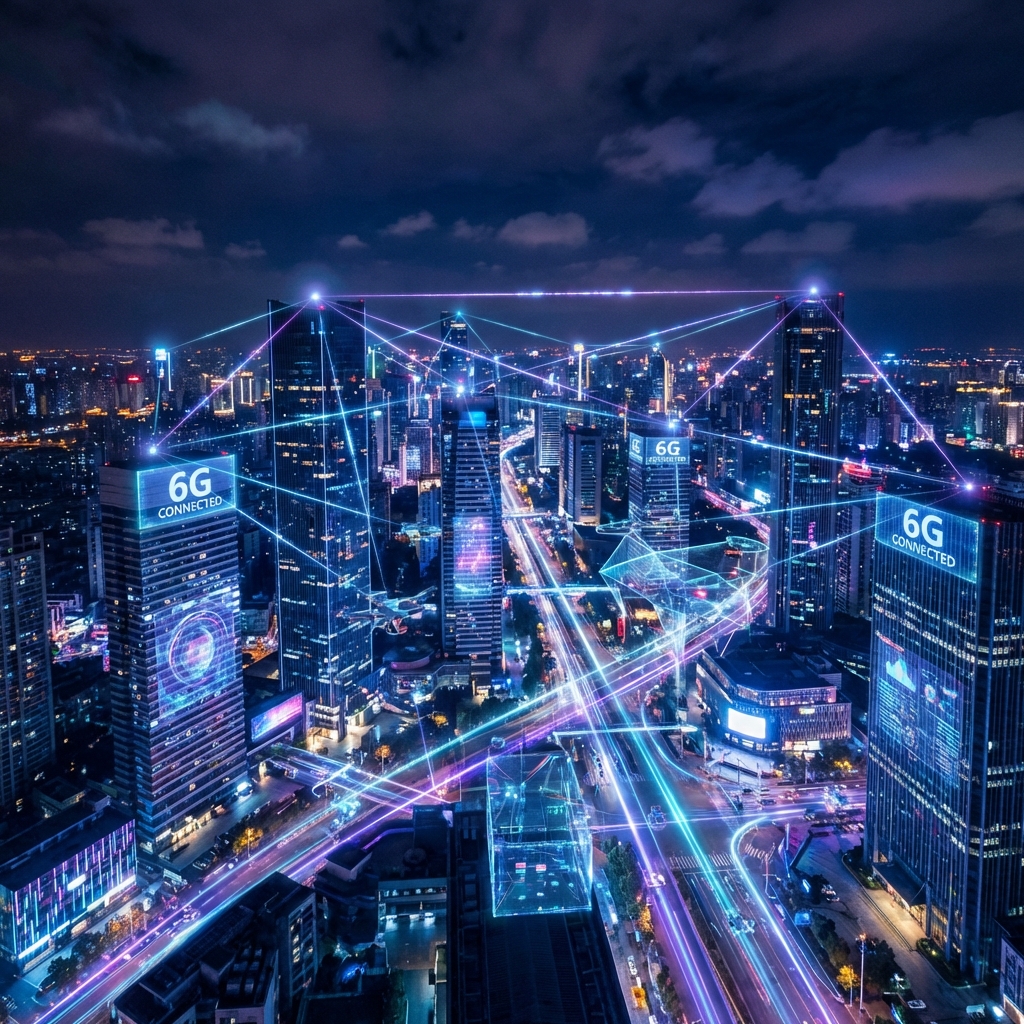
While the world is still adjusting to the initial rollout of 5G, the telecommunications industry is already laying the architectural groundwork for 5G Advanced and looking ahead to 6G, promising a network that is not just a pipe for data, but a sensing and computing fabric.
5G Advanced: The Mid-Decade Refresh
The current state of 5G is often called "Non-Standalone" (NSA)—5G radios sitting on top of a 4G Core. The shift to "5G Standalone" (SA) and the upcoming 3GPP Release 18 (branded as 5G Advanced) is where the true promises of the technology materialize.
5G Advanced introduces:
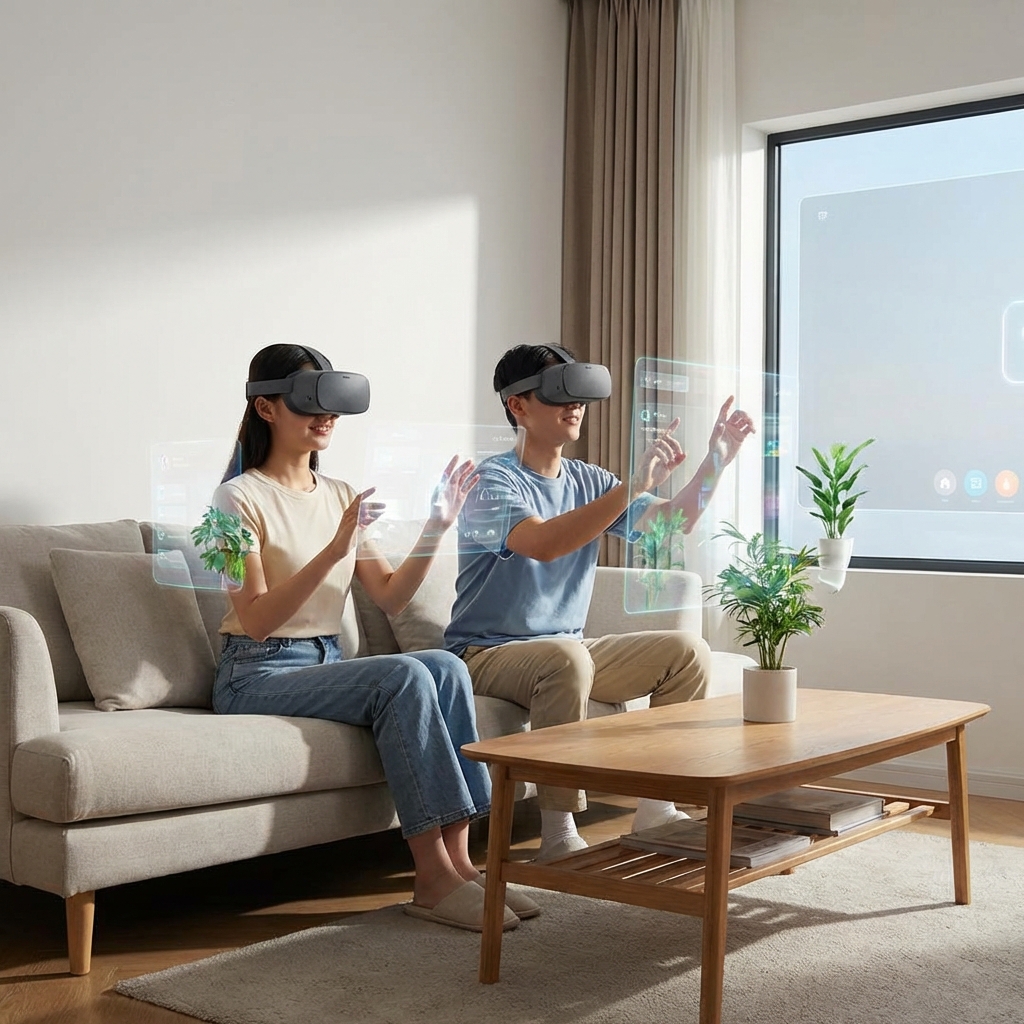
- XR Support: Specific optimizations for Extended Reality (XR) traffic, ensuring the consistent latency required for AR glasses.
- Sidelinking: Allowing devices to talk directly to each other (Device-to-Device or D2D) without going through the cell tower. This is critical for V2X (Vehicle-to-Everything) communication, where a braking car needs to alert the car behind it instantly.
- Precise Positioning: Increasing GPS accuracy from meters to centimeters indoors. This enables warehouse robots to navigate autonomously with perfect precision.
6G: The Terahertz Frontier
Research labs in Finland, Korea, and the US are already prototyping 6G. Expected to commercially launch around 2030, 6G moves up the spectrum ladder into the Terahertz (THz) range. This spectrum behaves almost like light.
The headline feature of 6G is "Joint Communication and Sensing" (JCAS). The radio waves that carry data can also be used as radar. A 6G network could "see" the environment. It could detect a person falling in a nursing home or track the hand gestures of a user without them wearing any device. The network itself becomes a sensor.
The Internet of Senses
Ericsson and visionaries predict that 6G will enable the "Internet of Senses." Beyond audio and video, we will transmit touch (haptics), smell, and taste digitally. While this sounds like sci-fi, haptic suits and digital scent synthesizers are already in labs. High-fidelity 6G networks will synchronize these sensory streams to create truly immersive holographic communication.
Sustainability and Energy Efficiency
A major criticism of 5G is its energy consumption. 6G is designed with "Zero Energy" devices in mind. The goal is to support "ambient backscatter" communication, where small IoT sensors (like shipping labels) harvest energy from the radio waves themselves, eliminating the need for batteries. This would allow us to connect trillions of objects to the internet sustainably.
Conclusion
The Gs (Generations) are not just marketing numbers; they mark the rhythm of human connectivity. 1G gave us voice, 2G gave us text, 3G gave us web, 4G gave us video, 5G connects machines. 6G, the future we are building towards, will merge the physical and digital worlds into a seamless continuum.